
MEDISEARCHER NEWS
United Kingdom · Drug safety · 31 October 2026
In brief
- The UK medicines regulator is introducing stronger safety information for antidepressants following a major review involving patients, families and independent experts.
- Patient information leaflets will receive a new boxed warning highlighting the risk of suicidal thoughts and behaviours.
- For certain antidepressants, leaflets will explicitly use the term Post SSRI Sexual Dysfunction (PSSD) for sexual dysfunction that may continue after treatment stops.
- A new patient safety card will reinforce key warnings, while a separate safety leaflet explaining antidepressant benefits, risks and alternatives is planned for 2027.
- The MHRA stresses that these are not newly discovered risks. The regulatory action is intended to make existing safety information clearer and more prominent.
- Patients should not suddenly stop taking antidepressants because of the new warnings and should discuss concerns with a healthcare professional.
The UK medicines regulator is strengthening safety information supplied with antidepressants, including more prominent warnings about suicidal thoughts and sexual dysfunction that can persist after treatment has stopped.
The Medicines and Healthcare products Regulatory Agency (MHRA) announced the measures following a detailed review by the Commission on Human Medicines involving patients, families and independent experts.
One particularly notable change is that patient information for certain antidepressants will explicitly use the term Post SSRI Sexual Dysfunction (PSSD) to describe sexual dysfunction that may continue after the medicine has been discontinued.
The changes were originally announced on 15 October 2026. The MHRA subsequently updated its October Safety Roundup on 30 October to include the associated communication to healthcare professionals.
What is changing for antidepressant patients in the UK?
The measures are intended to make important safety information easier for patients to find and understand.
Changes include:
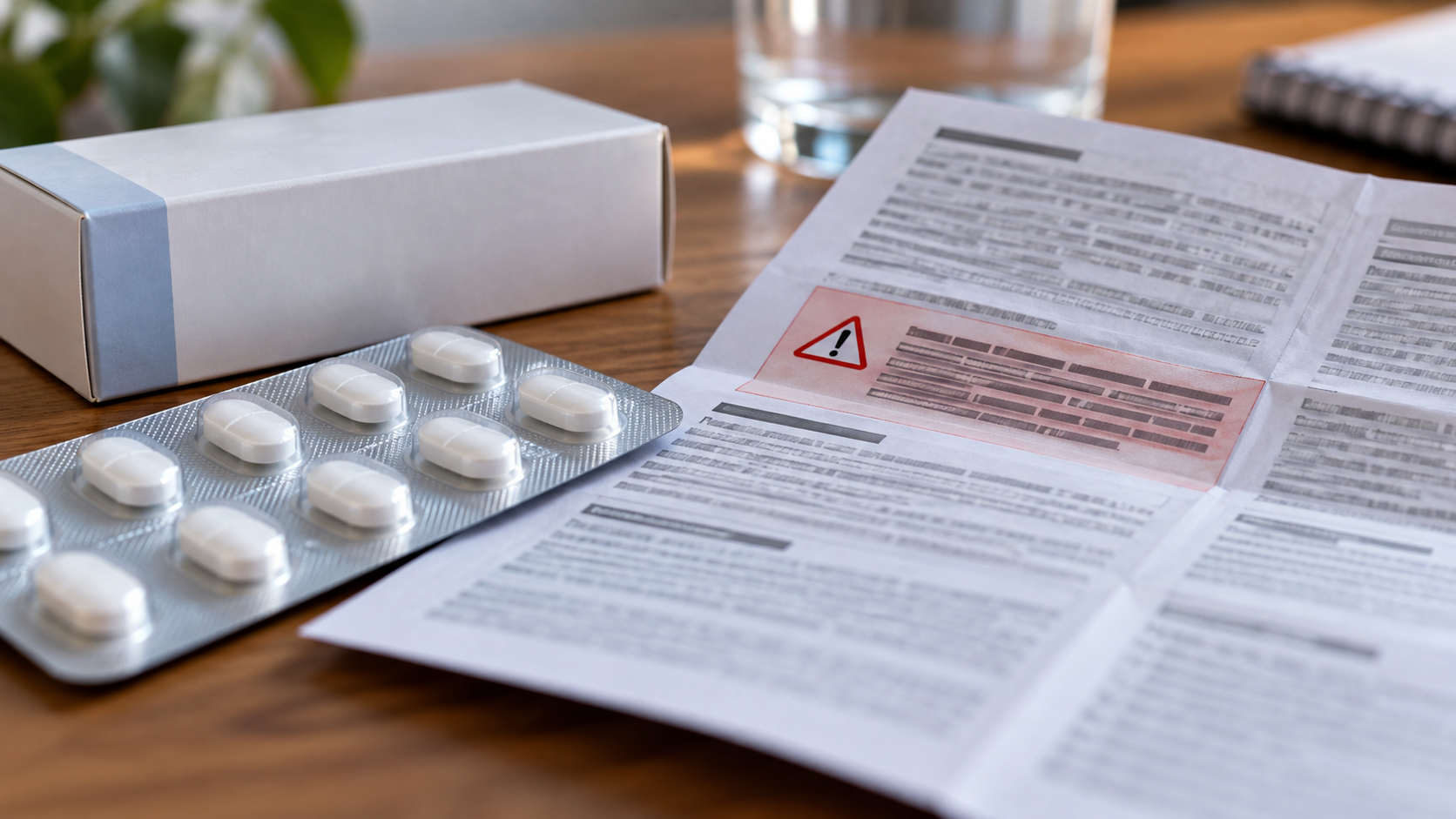
- A new boxed warning in patient information leaflets highlighting information about suicidal thoughts and behaviours and signposting patients to sources of help.
- A new patient safety card reinforcing key safety messages and explaining when patients should seek support. An electronic version will be available initially, with a physical card expected to follow.
- The term PSSD being added to patient information leaflets for antidepressants associated with sexual dysfunction that may continue after treatment ends.
- A separate antidepressant safety leaflet explaining benefits, risks and treatment alternatives, expected to become available in 2027.
The MHRA is also coordinating work across the UK healthcare system that could lead to corresponding changes to clinical guidance, prescribing resources and patient information.
Which antidepressants are affected by the PSSD warning?
The MHRA identifies the following antidepressants in connection with the warning about sexual dysfunction that may continue after treatment has stopped:
- citalopram;
- escitalopram;
- duloxetine;
- fluvoxamine;
- fluoxetine;
- paroxetine;
- sertraline;
- venlafaxine;
- amitriptyline; and
- nortriptyline.
The list includes several widely prescribed selective serotonin reuptake inhibitors (SSRIs), but also medicines belonging to other antidepressant classes.
What is PSSD?
Post SSRI Sexual Dysfunction, commonly abbreviated to PSSD, is a term used for sexual dysfunction that continues after treatment with certain antidepressants has ended.
Sexual side effects associated with antidepressants can include reduced sexual desire, difficulty becoming aroused and problems reaching orgasm.
The regulatory concern addressed by the new UK information is that, in some patients, sexual symptoms may continue after the medicine has been stopped.
Importantly, the MHRA says these are not newly identified risks.
The new measures are intended to make existing safety information clearer and more prominent and to better reflect experiences reported by patients.
Why is the UK strengthening the warnings?
The Commission on Human Medicines convened an expert working group after patients and families raised concerns about whether existing information adequately communicated the risks of suicidal thoughts and behaviours and persistent sexual dysfunction.
The group met between May 2024 and July 2025 and considered patient and family experiences alongside scientific literature published since the issues were last reviewed at committee level in 2019.
The Commission on Human Medicines considered the recommendations in September 2025.
The MHRA subsequently worked with the Patients Association and a patient focus group to test and refine the wording and format of the updated information.
The regulator says the objective is not to discourage appropriate antidepressant use, but to allow patients to make more informed decisions and have better discussions with healthcare professionals about treatment benefits and risks.
The changes also strengthen suicide-risk communication
The measures are not limited to sexual side effects.
The new boxed warning is intended to make information about suicidal thoughts and behaviours substantially more prominent in antidepressant patient information leaflets.
Healthcare professionals are being advised to discuss this risk when antidepressant treatment is started, when a dose is changed or at a patient’s next review.
Patients experiencing new or worsening suicidal thoughts, particularly after starting treatment or following a dose change, are advised to seek urgent medical attention.
Patients should not suddenly stop taking antidepressants
The MHRA specifically warns patients not to stop taking antidepressant medication without first speaking to a healthcare professional.
Stopping some antidepressants abruptly can cause withdrawal symptoms, and treatment decisions should be made with appropriate medical advice.
People experiencing sexual side effects, including symptoms that continue after stopping an antidepressant, are advised to discuss them with a healthcare professional.
What happens next?
The updated patient information and safety communications will now be implemented across the UK.
The new patient card will initially be available electronically, while the additional safety leaflet explaining antidepressant benefits, risks and treatment alternatives is expected during 2027.
The Commission on Human Medicines has also recommended more consistent safety messaging across the wider healthcare system.
The MHRA says this includes consideration of relevant NICE guidance, the British National Formulary and work involving professional bodies and NHS guidance.
Why the new antidepressant warnings matter
Antidepressants are established treatments for depression and several other conditions, and the MHRA stresses that their benefits outweigh their risks for the vast majority of people when used appropriately under clinical supervision.
The significance of the new measures is therefore not that regulators have suddenly discovered previously unknown antidepressant risks.
Instead, the review concluded that patients should receive clearer and more prominent information about potentially serious effects — including the possibility that sexual dysfunction associated with certain antidepressants can persist after treatment ends.
Explicitly introducing the term PSSD into official patient information is particularly notable because it gives patients a recognised term for symptoms that have historically been difficult to discuss and identify.
Reviewed by: Dr Mattias Hagman, PhD
Editorial review: This article was reviewed for interpretation of the MHRA antidepressant safety measures, the distinction between newly identified risks and strengthened risk communication, the medicines covered by the persistent sexual dysfunction warning, and patient advice concerning antidepressant discontinuation.
Last reviewed: 31 October 2026
Sources and verification
MediSearcher reviewed the following primary and authoritative sources when preparing this article:
- MHRA Drug Safety Update: New antidepressant safety measures covering suicidal thoughts and persistent sexual dysfunction
- MHRA: New safeguards to strengthen antidepressant safety information following major review
- MHRA: Public Assessment Report on updated antidepressant safety communications
- MHRA: October 2026 Safety Roundup, updated 30 October 2026
This article is for general informational purposes only and is not medical advice. Patients should not stop or change prescribed antidepressant treatment without speaking to an appropriately qualified healthcare professional. Anyone experiencing new or worsening suicidal thoughts should seek urgent professional help.